
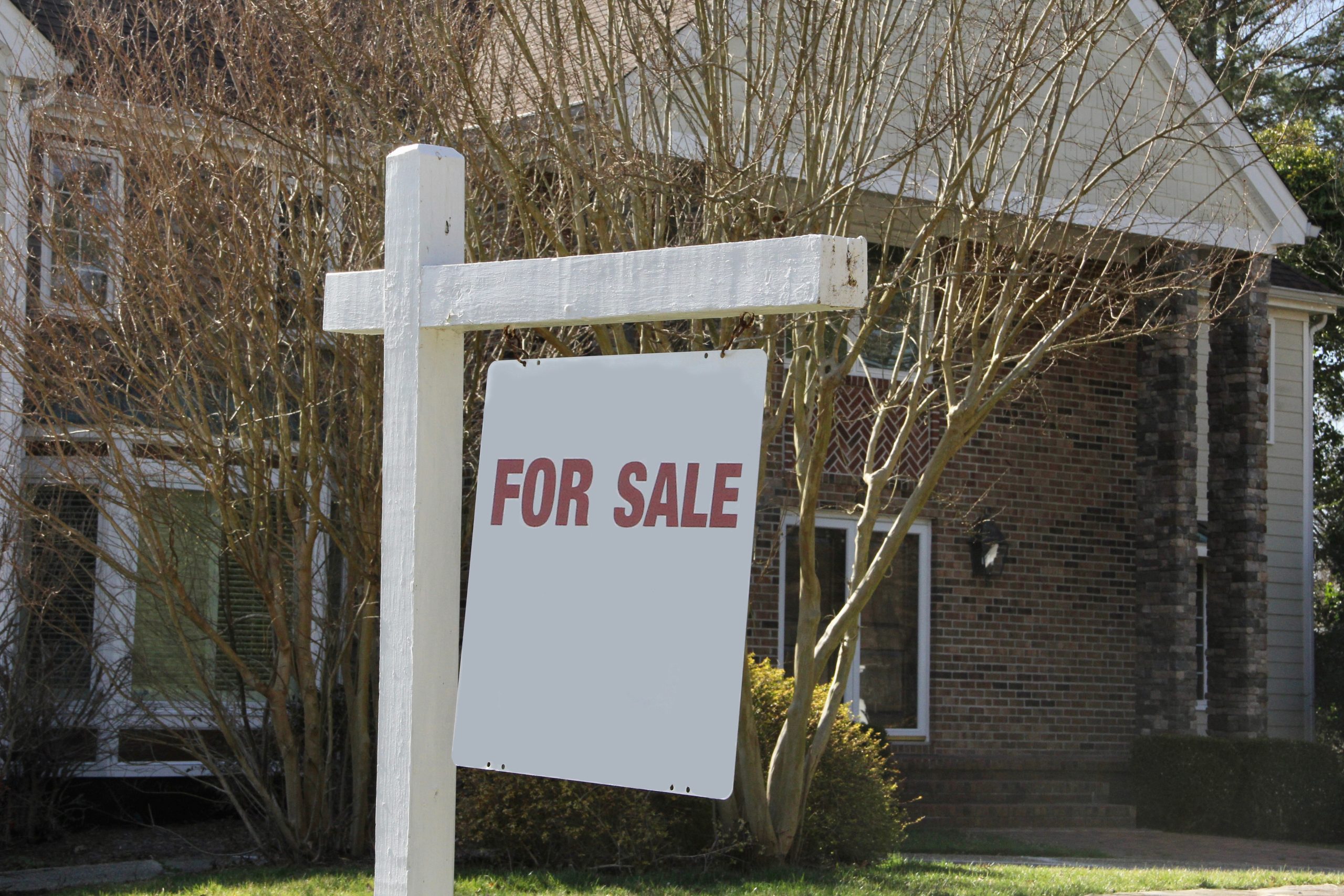
A foreclosure listing looks like a deal. It is the only listing on the block where the price makes you stop scrolling — the same square footage, $100,000 less, and a seller who is a bank that just wants the asset off its books.
I walked through this on Episode 7 with Raj Sharma, a realtor who’s done a lot of these. The message I want you to hear first: it isn’t a shortcut to a cheap house. It’s a different process — slower, messier, and riskier — and you want to know what you’re walking into before you make an offer.
First, the three types
People lump these together. Don’t.
- A short sale is when the owner still owns the home, but owes more on the mortgage than the house is worth. They ask the bank to accept less than what’s owed. The bank has to approve the price — and it can say no after months of waiting.
- An REO (real estate owned) is a home the bank already owns after a foreclosure. The bank tried to sell it at auction, nobody bought it (or nobody bid enough), and now the bank owns it and wants it gone. REOs are sold through a listing agent, as-is, and the bank is not a motivated seller in the emotional sense — it’s a company clearing an asset.
- A pre-foreclosure is a home where the owner is behind on payments and a foreclosure is in the works, but the bank hasn’t taken the property yet. This is the early stage, not a purchase category on its own — you are dealing with the owner and their lender’s timeline.
How a foreclosure gets there
Three missed payments — about 90 days — and the lender starts the process. The homeowner then has about 60 days to catch up, work out a repayment plan, or sell before the bank moves to auction. From the first missed payment to the auction is typically 6–9 months, and the bank can move faster or slower depending on the state and the lender. The point: by the time you see an REO listing, the homeowner’s window to fix it has already closed.
Short sales
Short sales are the slower of the two. The bank has to verify the seller’s hardship, order a valuation (a broker’s price opinion, or BPO), and approve the price. That takes 60 days to 12 months, and sometimes the bank says no at the end and you’ve waited for nothing. On the plus side, short-sale homes are often in better condition than REOs — the owner is still living there, keeping it up, and wants the sale to happen.
FHA and VA both work on short sales, but the lender has to approve the short-sale terms, and the appraisal still has to support the price. The bank’s approval is the bottleneck, not the loan.
REOs
REOs move faster than short sales — typically 30–45 days to close once your offer is accepted, and the bank usually wants an answer in about 7 days. But the condition is rougher. These are sold as-is, the previous owner may have stopped maintaining the place months ago, and the utilities are often off, which means your inspector can’t test the water, the heater, or the electrical. FHA has a habitability requirement — the home has to be livable — and an REO in bad shape may not pass it. That’s a real constraint for first-time buyers using FHA.
On cash to close: REOs don’t change your down payment, but the repairs do change your cash. The bank isn’t fixing anything, and it isn’t giving you a credit for the roof.
The risk nobody prices in
Here’s what people forget: the money you spend before you know you have the house. A home inspection runs $300–$600. An appraisal runs $600–$700. On an REO or a short sale, you pay those up front — and if the deal falls apart, that money is gone. You’re out roughly $1,000–$1,100 before the bank even answers. Budget for it, and don’t fall in love with the price before the inspection tells you what the house actually needs.
The first-timer’s checklist
- Get pre-approved first. Banks want proof you can close — especially on REOs, where they’re comparing your offer to cash buyers.
- Budget for the inspection and the repairs before you fall in love with the price. A $50,000 discount means nothing if the house needs $50,000 of work.
- Ask your agent how long the bank has been reviewing a short sale. If it’s been months with no answer, that’s a signal.
- Check whether the home meets FHA habitability requirements — if it doesn’t, FHA won’t finance it, and you’ll need a different loan or a different house.
- Ask about the utilities. If they’re off, your inspector can’t test the systems, and you’re buying blind on the expensive stuff.
- Have a walk-away number. Know the most you’ll pay including repairs, and don’t let the “deal” pull you past it.
When a distressed home is a good buy — and when it isn’t
A distressed home is a good buy when the discount is bigger than the repair bill, the timeline works for your life, and your loan can actually finance the condition. It’s a bad buy when you’re stretching your cash to cover the repairs, the bank’s timeline doesn’t match yours, or the house won’t pass your loan’s habitability requirements. The price is the least informative number in the deal. The inspection report and the repair estimate are the real numbers.
Dat’s take
A cheap house that needs $50,000 of work isn’t a deal — it’s a $50,000 surprise with a front door.
What to do with this
- If you’re looking at an REO, get pre-approved first — banks want proof you can close.
- Budget for the inspection and the repairs before you fall in love with the price.
- If it’s a short sale, ask your agent how long the bank has been reviewing it. If it’s been months with no answer, walk away.
- Then start your pre-approval and I’ll tell you whether the numbers work.
Hear me walk through REO and short sales on the podcast: Episode 7 — Buying an REO or Short Sale Home. Start here: Start Here hub.
Foreclosure timelines and bank processes vary by lender and state. Inspection and appraisal costs are planning figures — your quote will differ. This is education, not a rate quote or a loan approval. Dat Nguyen, Certified Mortgage Advisor, NMLS 1379110.