
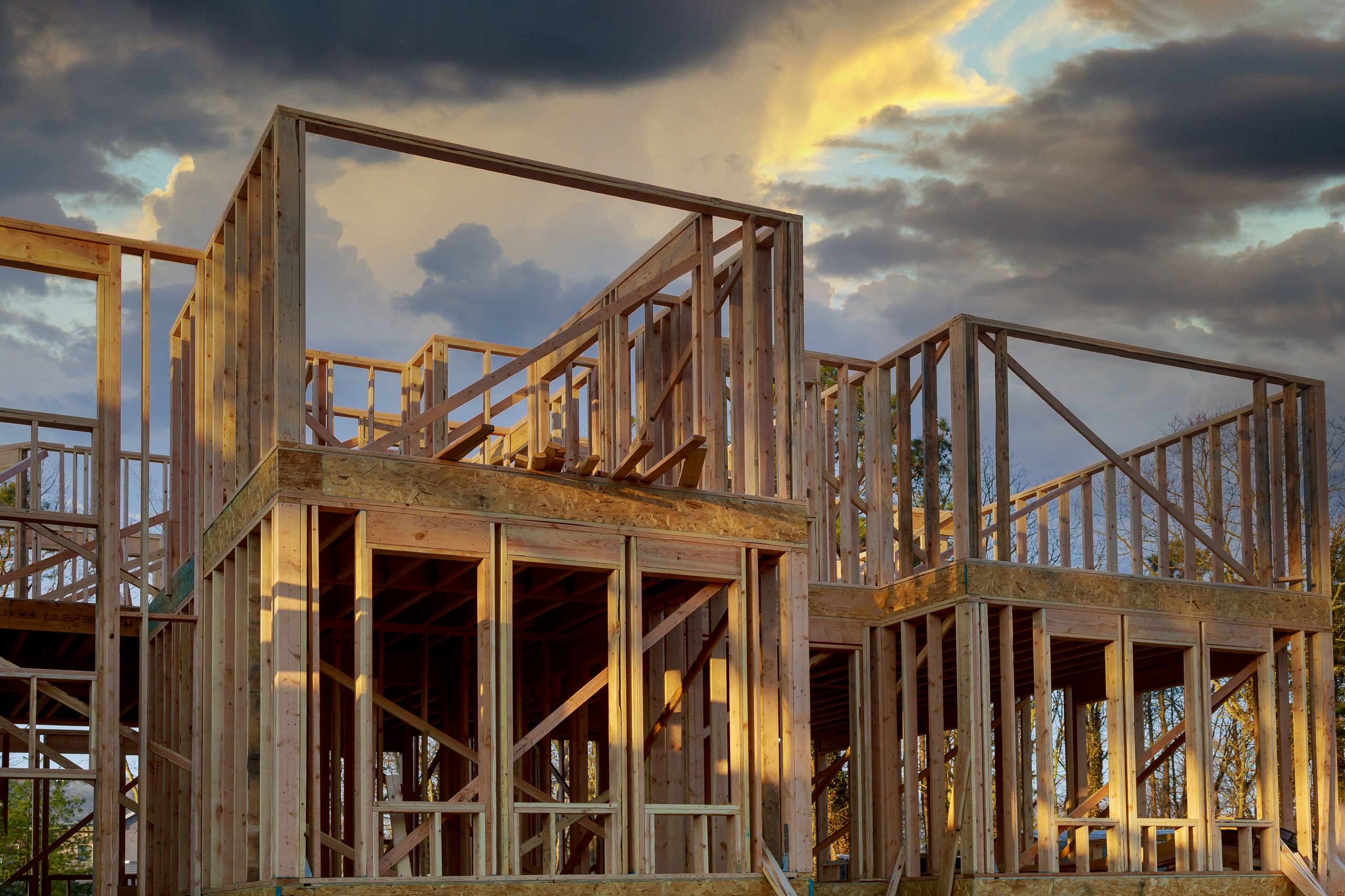
You drive into a new community. The sales office is beautiful. The agent at the desk is friendly, knows every floor plan, and offers you a coffee.
That agent works for the builder. Not for you. That is the whole post, really — but let me explain why it matters, because first-time buyers walk into that office unrepresented every week.
Whose side is the sales agent on?
The person in the builder’s sales office is the builder’s agent. Their job is to sell the builder’s homes, at the builder’s price, on the builder’s terms. They are good at it. They know the product. But they do not owe you loyalty, they do not have to tell you the downsides, and they do not negotiate against their own employer for you.
Your own agent owes you loyalty. They tell you when the lot premium is not worth it, when the upgrade package is overpriced, when the contract term is one-sided, and when you should walk away. That is what you are paying for — someone whose job is your side of the table.
“But the builder said I don’t need one”
Of course they did. A buyer with no agent is a buyer with no one in the room pushing back. The builder’s agent will still be nice to you. They will still answer your questions. But the questions you do not know to ask — about the contract, the deposit, the delay terms, the appraisal gap, the warranty — those are the ones that cost money. Your agent knows to ask them because they have seen what happens when nobody does.
And bringing your own agent does not cost you extra. You do not pay an additional fee for having a separate buyer’s agent who does not work for the builder. What it usually means is that your agent has to be with you — or registered with the builder — on your first visit. That is the rule buyers miss: most builders require you to tour with your agent the first time, and if your agent is not there with you on that first visit, the builder will not let them be part of the transaction afterwards.
So the move is simple: do not go to the sales office alone first. Take your agent with you on visit one.
What your agent knows that you don’t
An experienced agent has usually already built relationships with the builders in the area, and that comes with real advantages: priority notifications, information about phase releases, price increases, and improvements before the general public hears about them. They know the community, and they know the people you will be dealing with.
They also know the process from each builder — from the initial tour, to design studio selections, to required additions like solar panels here in California, to financing, addendums, and the final walkthrough before close of escrow. And they will tell you to get an independent third-party inspector at various stages of the build, not just at the end.
What your agent actually does on a new build
- Negotiates the price and the incentives. The base price may be firm, but lot premiums, upgrade credits, closing-cost credits, and rate buydowns are negotiable — and your agent knows what other buyers in the community actually got.
- Reads the builder’s contract. It is the builder’s contract, written by the builder’s lawyers. Your agent flags the delay terms, the deposit terms, and what happens if you walk away.
- Checks the upgrades against the appraisal. The model home is the upgraded version. Your agent helps you pick upgrades that add value instead of upgrades the appraiser will not give you credit for.
- Manages the timeline. Build dates move. Your agent tracks the milestones, keeps your lender in the loop, and makes sure your rate lock and your closing date do not drift apart.
- Runs the final walkthrough with you. Punch list, in writing, before you close — not after you have moved in and the builder has your money.
The problems an agent helps you avoid
New construction has its own ways of going wrong, and I have seen all of these: delays in the build schedule, appraisal issues, inspection issues, incorrect work or installation, unfinished work at the time of move-in, problems with the builder’s warranty, and lender issues because the timeline is so much longer than with an existing home.
Here is a real one. I had a client who spent a significant amount of money on upgrades, but they were using an FHA loan with only 3.5% down. They spent a good amount on upgrades that did not increase the home’s value dollar for dollar — upgrading from carpet to hardwood flooring cost about $25,000, but the value of the home only went up about $10,000. We negotiated with the builder through their corporate office so the client did not have to pay the difference between the negotiated sale price and the lower appraised value. Without an agent negotiating on their behalf, that outcome most likely would have gone the builder’s way instead of the buyer’s.
Do you have to use the builder’s lender?
No. You do not have to use the builder’s lender. You are free to use any lender you choose. Using the builder’s lender may come with benefits, like priority processing, notification of new developments, and typically higher closing-cost credits. But most builders will still require you to pre-qualify with their lender, so expect that requirement.
There are real benefits to using a lender other than the builder’s: more loan options to choose from, the ability to shop around for the best rates, more personalized service, and often better down payment assistance programs. If you are putting a high down payment down, the builder’s incentives may not outweigh the benefits of working with a lender you trust. Get a second quote before you sign — compare the total cost, not just the incentive.
What if you already walked in alone?
It happens. If you already visited and signed in without your agent, tell your agent right away. Most builders will not let your agent join the deal after that first visit alone. Either way, do not sign a reservation or a purchase contract until you have had someone on your side read it. And get pre-approved before you reserve anything — the builder will ask, and you want your own numbers, not just the builder’s lender’s numbers.
Dat’s take
The builder’s agent is not your enemy. They are just not your agent. Bring your own.
What to do with this
- Pick your agent before you visit the sales office — and bring them on visit one.
- Get pre-approved first — start your pre-approval.
- Read Purchasing a New Construction Home for the process, incentives, and what to watch before signing.
- Run the payment on the real price — base plus upgrades — in the Mortgage Payment Calculator.
Hear me talk through new construction on the podcast in Episode 17: listen here.
Rates in this post: FHA 30-year fixed 6.94% (November 6, 2026); conventional 30-year fixed 7.18% (Freddie Mac PMMS, week ending November 5, 2026). This is education, not a rate quote or a loan approval. Dat Nguyen, Certified Mortgage Advisor, NMLS 1379110.